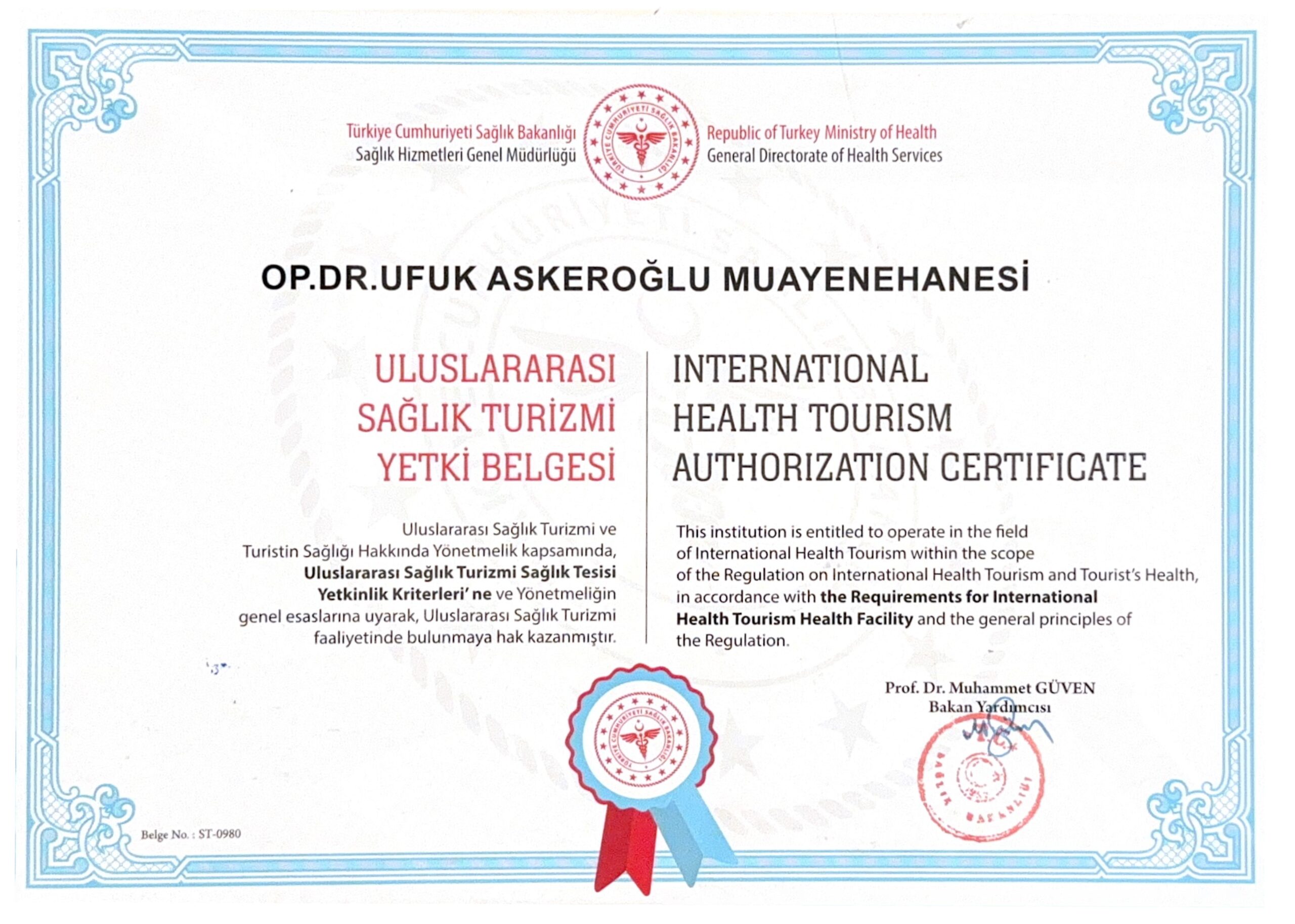
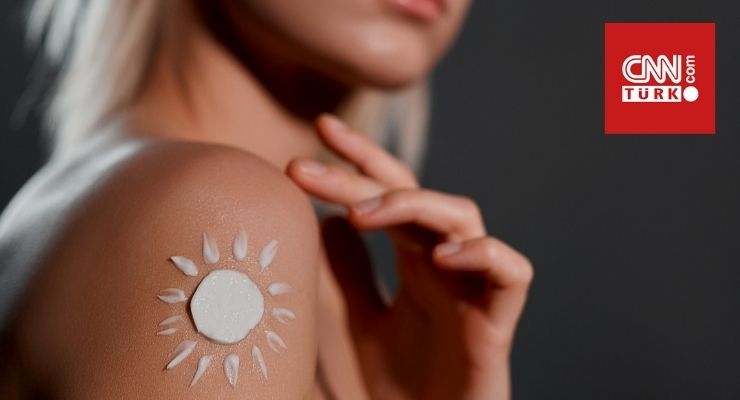
Aesthetic and Plastic Surgery Specialist Op. Dr. Ufuk Askeroğlu explains the frequently asked questions about the condition of skin barrier breakdown, which has been frequently discussed on social media platforms recently.
The skin barrier acts as a protective shield against external factors and is the basis of a healthy skin appearance. The breakdown of the skin barrier can lead to many skin problems and discomfort.
HOW DOES THE SKIN BARRIER BREAK?
The breakdown of the skin barrier can cause the skin to lose moisture. This causes the skin to become dry, flaky and itchy.
Especially cold weather, wind or hot water use can trigger this condition.
A broken skin barrier can increase sensitivity to external factors. This can cause redness, inflammation and a slight burning sensation on the skin.
Redness usually indicates inflammation of the skin and can have irritating effects on the skin.
A broken barrier can increase the skin’s sensitivity to external factors.
The skin becomes more sensitive to products and some cosmetic or care products may cause discomfort to the skin.
The disruption of the skin barrier can also lead to pigmentation problems.
The skin tone may become uneven and hyperpigmentation or spots may occur.
The general appearance and health of the skin may deteriorate.
The disruption of the skin barrier can negatively affect the skin’s self-repair process.
Small wounds, cuts or pimples may heal longer than normal.
THE ROLE OF ALLOBLAST AND FIBROBLAST CELLS
Alloblast and fibroblast cells play a critical role in the health and healing of the skin barrier. Fibroblasts are the cells that form the connective tissue of the skin and play an important role in providing the elasticity and strength of the skin. In the event of a disruption of the skin barrier, fibroblasts contribute to the skin’s repair process by producing new collagen and elastin. Sufficient fibroblast activity supports faster skin healing. Alloblasts are cells that are generally involved in skin repair and contribute to the wound healing process. In cases where the skin barrier is disrupted, alloblasts play an important role as cells that promote skin renewal and barrier repair. These cells support the skin’s natural healing mechanisms and can help rebuild the disrupted barrier.
WHAT CAN BE DONE TO PROTECT THE SKIN BARRIER?
It is important to use gentle products for skin cleansing to repair the skin barrier. Harsh chemical ingredients can cause further irritation of the skin. Soft, pH-balanced cleansers should be preferred. Effective moisturizers should be used to maintain the skin’s moisture balance. Products containing hyaluronic acid, ceramide and fatty acids can support the skin’s barrier function and prevent moisture loss. Products containing alcohol, paraben and excessive amounts of artificial perfume should be avoided. Such products can damage the skin barrier. Hypoallergenic and dermatologically tested products that support the skin’s natural barrier should be preferred. UV rays can damage the skin barrier. Therefore, skin protection should be provided by using broad-spectrum sunscreens. In cases where the skin barrier is severely compromised, it may be necessary to seek professional help from a plastic surgeon or dermatologist. Skin resurfacing treatments, PRP (Platelet Rich Plasma) treatments and chemical peeling methods can support the skin’s repair process.
Other News

Should We Adopt These Habits to Prevent Skin Sagging?
Should We Adopt These Habits to Prevent Skin Sagging?

How Can We Treat Smile Lines?
How Can We Treat Smile Lines?

Is Your Facial Asymmetry Negatively Affecting Your Self-Confidence?
Is Your Facial Asymmetry Negatively Affecting Your Self-Confidence?

How can we reduce facial sagging and tired expression?
How can we reduce facial sagging and tired expression?

What Skin Treatments Do Men Prefer?
What Skin Treatments Do Men Prefer?