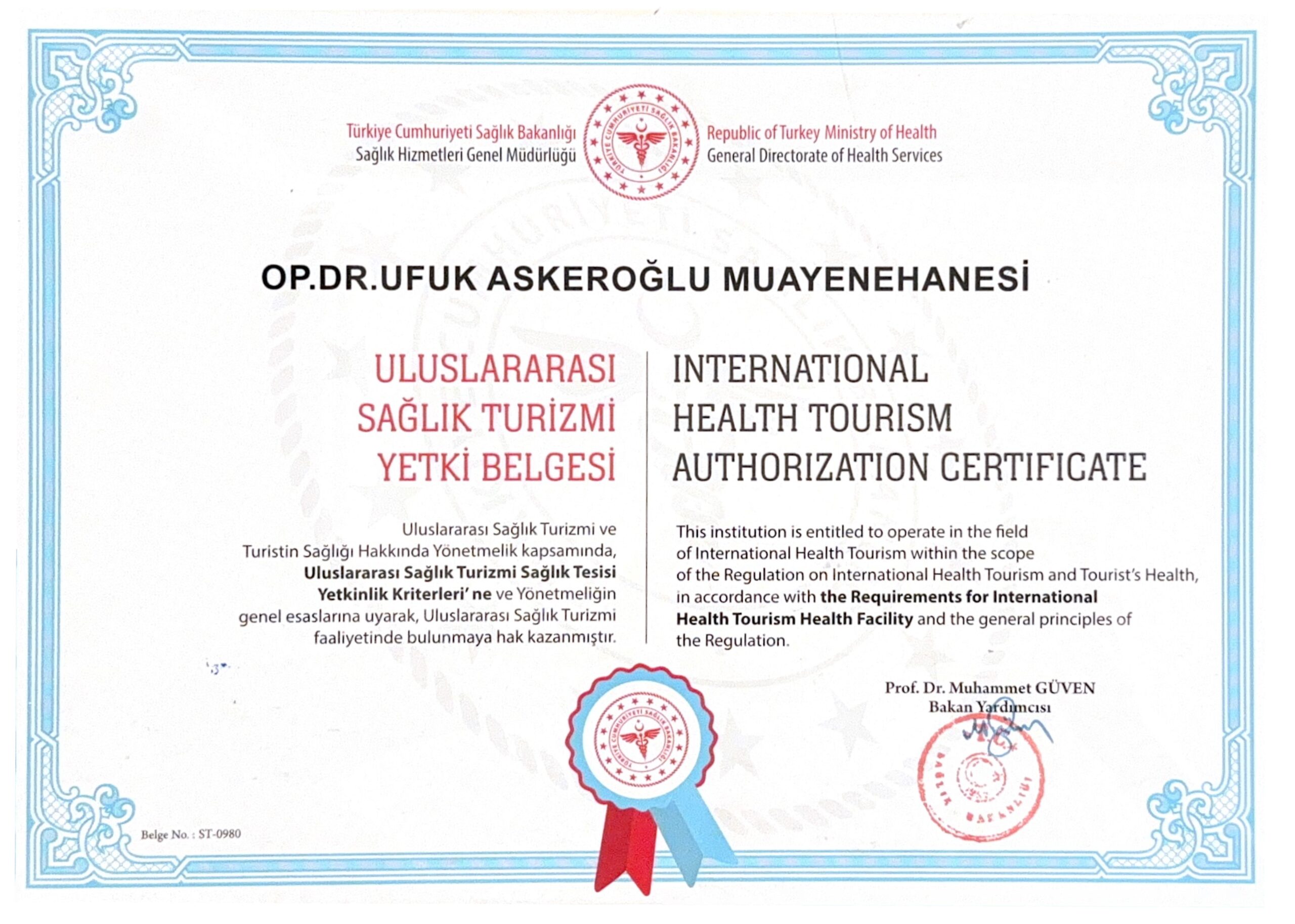

Aesthetic and Plastic Surgery Specialist Op. Dr. Ufuk Askeroğlu explains in detail the factors that cause and accelerate skin aging, which both women and men are curious about.
Skin aging is divided into two main categories: internal and external. While internal aging occurs naturally as a result of genetic and biological processes, external aging occurs under the influence of environmental and lifestyle factors.
Internal aging is a result of natural biological processes that occur with age
As we age, the production of collagen and elastin proteins, which are the basic building blocks of the skin, decreases
This causes the skin to lose its elasticity and wrinkles to form. The rate of cell renewal is high in young skin, but this process slows down as we age. Slowing down cell renewal causes the skin to look more dull and dull. Especially in the post-menopausal period, changes in hormone levels can have significant effects on the skin.
The decrease in estrogen levels causes the skin to thin and lose moisture. Genetics play an important role in the skin aging process. Some people may have genetically younger looking skin, while others may show signs of aging earlier.
Extrinsic aging is accelerated by environmental factors and lifestyle habits.
The biggest external cause of skin aging is sunlight. UV rays penetrate the deep layers of the skin and damage collagen and elastin fibers. This causes wrinkles, fine lines and age spots to form.
Sunlight also increases the risk of skin cancer. Smoking is a major factor that accelerates skin aging. Cigarette smoke reduces blood flow to the skin, preventing the skin from receiving oxygen and nutrients. The toxins in cigarettes reduce collagen and elastin production.
Unhealthy eating habits negatively affect skin health. A diet devoid of fruits and vegetables rich in antioxidants can cause free radicals to damage the skin. Excessive sugar consumption leads to a process called glycation in the skin, which deteriorates the collagen structure.
Chronic stress increases cortisol levels in the body, which can lead to inflammation in the skin. Inflammation accelerates signs of aging by disrupting the structural integrity of the skin. Air pollution promotes the formation of free radicals that damage the skin. These harmful substances can weaken the skin’s defense mechanisms, causing premature aging.
Excessive alcohol consumption reduces skin moisture levels, leading to dryness and wrinkles. In addition, alcohol affects the liver, disrupting the body’s detoxification process and negatively affecting skin health. Quality sleep is important for skin health. Insufficient sleep disrupts the renewal process of skin cells and leads to symptoms such as under-eye bags and pale skin.
What can be done to prevent skin aging?
Although it is not possible to stop skin aging completely, it is possible to slow down this process with various methods and lifestyle changes:
It is important to use broad-spectrum (UVA and UVB) sunscreens, wear hats and sunglasses to protect yourself from the sun’s harmful UV rays. It is also beneficial to avoid direct sunlight during the hours when the sun is at its peak (10:00-16:00).
A diet rich in antioxidants, vitamins and minerals helps keep skin healthy. Vitamins A, C and E are especially critical for skin health. Getting 7-9 hours of sleep every night contributes to the skin’s renewal process. Skin cleansing, moisturizing and regular exfoliation are important for maintaining skin health. In addition, using anti-aging products (retinoids, hyaluronic acid, antioxidant serums) may be beneficial.
What are the preferred treatment methods?
Chemical peels remove the top layer of the skin, allowing new and fresh skin cells to emerge. This improves skin tone and texture, and also reduces the appearance of fine lines and pigmentation problems. Laser treatments renew the skin’s surface, encouraging collagen production and improving skin tone. Laser treatments reduce wrinkles and blemishes, and make skin look firmer and younger.
Microneedling triggers the natural healing process by creating small wounds in the skin. This process increases collagen and elastin production, improving skin firmness and elasticity. It also improves skin texture and tone.
Botox reduces the appearance of wrinkles by relaxing facial muscles. Fillers are injected under the skin to restore volume loss and fill in deep wrinkles and fine lines, creating a more youthful appearance. PRP treatment is performed by injecting plasma from the patient’s own blood into the skin.
This promotes skin renewal and collagen production, helping skin to look healthier and younger.
Other News

Should We Adopt These Habits to Prevent Skin Sagging?
Should We Adopt These Habits to Prevent Skin Sagging?

How Can We Treat Smile Lines?
How Can We Treat Smile Lines?

Is Your Facial Asymmetry Negatively Affecting Your Self-Confidence?
Is Your Facial Asymmetry Negatively Affecting Your Self-Confidence?

How can we reduce facial sagging and tired expression?
How can we reduce facial sagging and tired expression?

What Skin Treatments Do Men Prefer?
What Skin Treatments Do Men Prefer?